How Long Should You Sleep If You Work Night Shift?
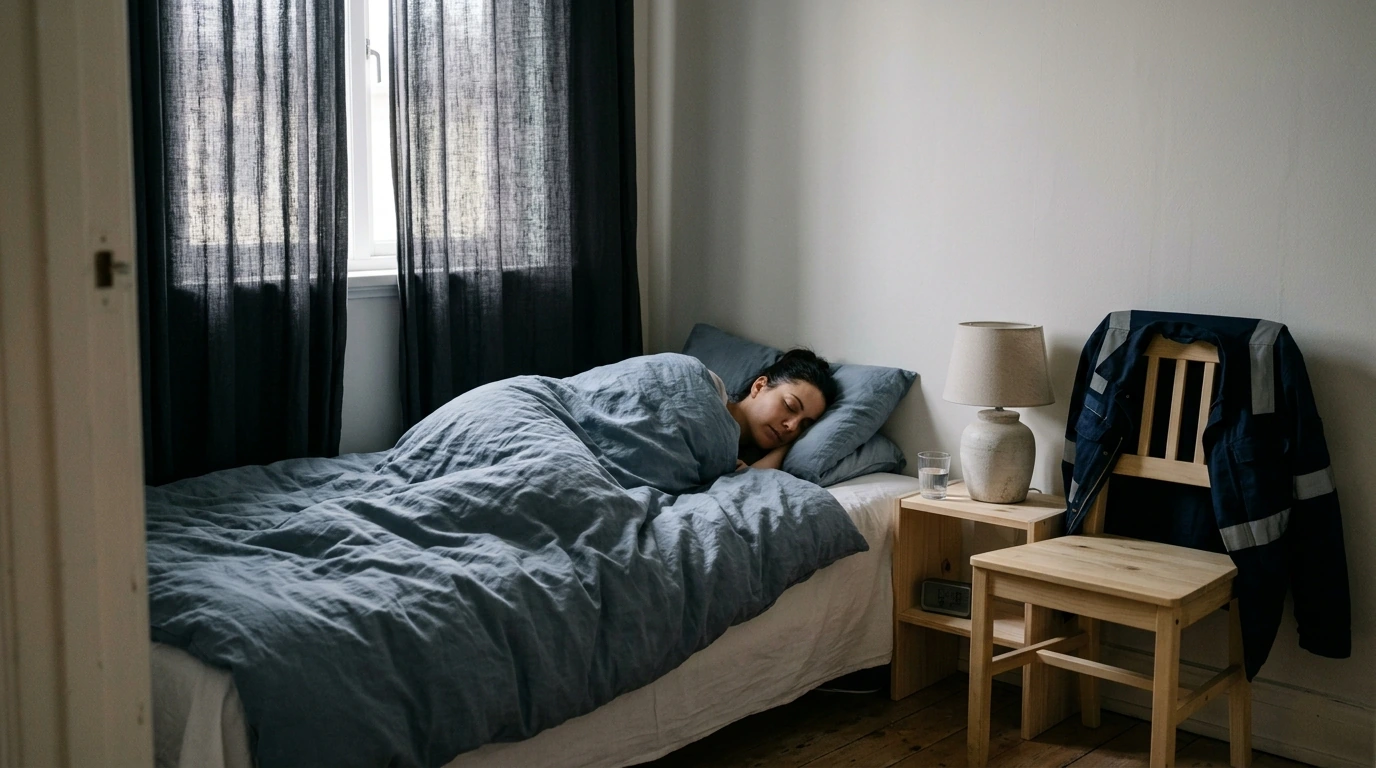
If you work night shift, aim for at least seven hours of sleep in each 24-hour period; many adults need seven to nine hours to feel and function their best. Your sleep does not have to happen at night, but it should be long enough and regular enough that you can stay alert during work and everyday activities.
Count all the sleep you get across the day, including a planned nap, rather than counting only the hours immediately after your shift. If you regularly need more than nine hours or still feel exhausted after getting enough time in bed, talk with a healthcare professional about your sleep and work schedule.
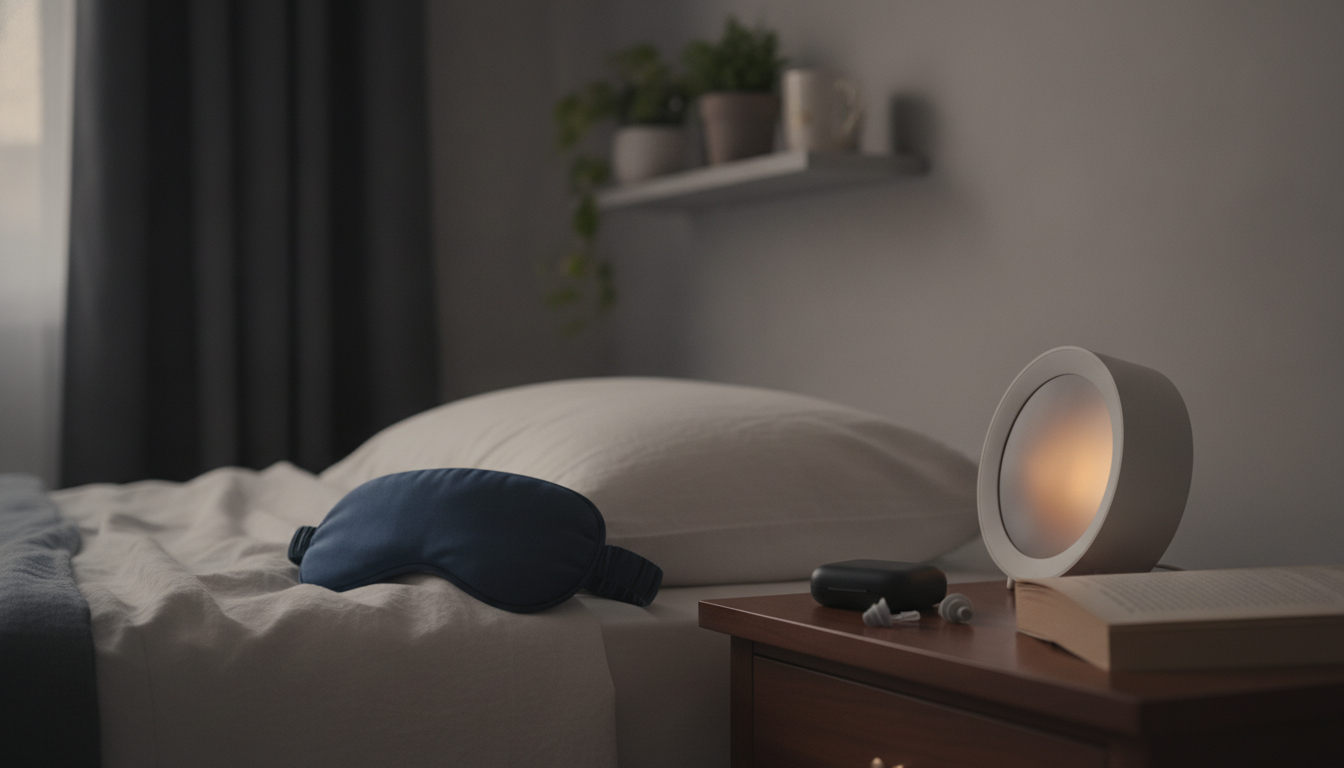
Try to go to bed soon after you get home, before errands, bright daylight, or household activity make it harder to settle down. For example, if you arrive home at 8 a.m., you might protect a sleep window from 9 a.m. to 4 or 5 p.m., adjusting it for your commute and responsibilities.
If one uninterrupted stretch is not practical, you can split your sleep between a main daytime block and a nap before work, while still aiming for at least seven hours total. Keep your sleep timing as consistent as your schedule allows, and give yourself enough time in bed to account for falling asleep and any awakenings.
Featured in this guide
Shift Worker’s Ultimate Sleep Hygiene Checklist | Printable Digital Download for Better Rest, Energy & Focus | Sleep Hygiene for Shift Workers
After your last night shift, your sleep plan depends on whether you are returning to a daytime schedule or working nights again soon. You might sleep for a shorter period after that final shift and then go to bed earlier that evening, but avoid cutting sleep so much that you become dangerously drowsy.
Give yourself time to recover over the following days, and do not drive if you feel too sleepy to do so safely. If you are staying on a night schedule, keeping a similar daytime sleep window on days off may make the next shift easier to manage.
Check the product’s listed specifications when evaluating what about your last night shift.
Make your bedroom dark, quiet, and cool, and let others in your household know when you need uninterrupted rest. Consider limiting caffeine toward the end of your shift, since it can make it harder to fall asleep once you get home.
Our Shift Worker’s Ultimate Sleep Hygiene Checklist is a printable digital download you can use alongside a routine that fits your shifts and sleep needs. For more ideas on planning your rest, see our shift work sleep checklist and routine guide.
Aim for at least seven hours in every 24-hour period, with seven to nine hours being a common range for adults. A main sleep period and a planned nap can both count toward your total.
There is no single number that works for everyone, but you still need adequate sleep across the day and following night. If you want to return to a daytime schedule, a shorter sleep after your shift followed by an earlier bedtime may help, provided you remain alert and avoid driving while drowsy.




Leave a comment