
How Can Shift Workers Get Better Sleep? Practical Tips

Choose a sleep window that gives you enough time to rest, aiming for at least seven hours when possible, and keep it as consistent as your schedule allows. After a night shift, going to bed soon after you get home can make it easier to protect that time from errands and daytime interruptions.
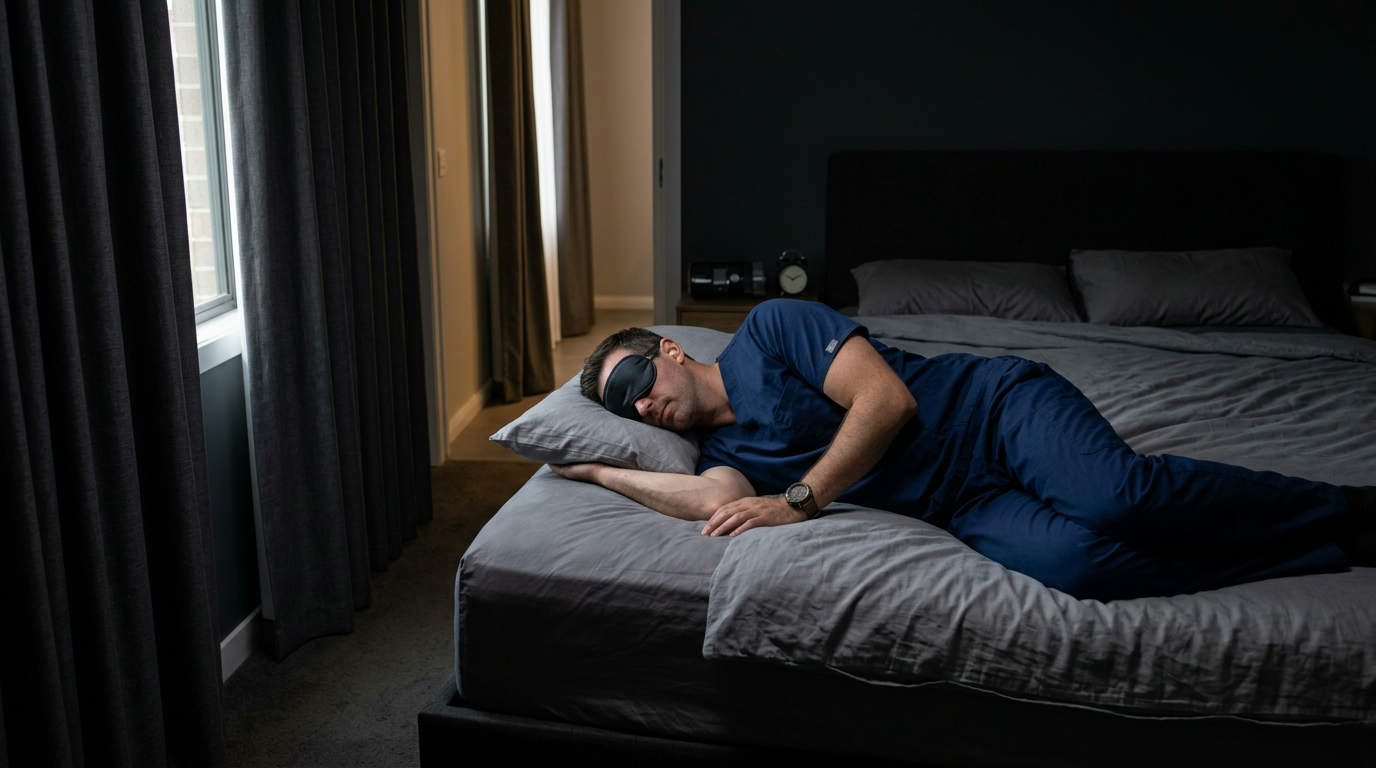
Use blackout curtains or an eye mask to reduce daylight, and consider earplugs or steady background noise to limit sounds that might wake you. Keep your room comfortably cool, silence nonessential phone alerts, and let the people you live with know when you need uninterrupted rest.

Featured in this guide
Shift Worker’s Ultimate Sleep Hygiene Checklist | Printable Digital Download for Better Rest, Energy & Focus | Sleep Hygiene for Shift Workers
Bright light during your shift can help you stay alert, while limiting bright light on your way home and before bed can help you wind down; if you are too sleepy to drive safely, arrange another way home. Use caffeine earlier in your shift rather than close to bedtime, and consider a short nap before work or during an allowed break if you need an alertness boost.
Give yourself a little time after work to shift out of work mode with a quiet activity, a light snack if you are hungry, or a warm shower before bed. Our Shift Worker’s Ultimate Sleep Hygiene Checklist is a printable digital download you can use alongside your routine; for more ideas, read our shift-work sleep guide.
If your schedule rotates, plan your sleep and exposure to light ahead of the change, and protect a consistent block of sleep where you can. Talk with a healthcare professional if you regularly cannot sleep when you have the opportunity, struggle to stay awake at work, or feel dangerously sleepy while driving.
Start by protecting enough sleep time, making your bedroom dark and quiet, and planning caffeine and light exposure around your shift. If sleep problems or excessive sleepiness continue, a healthcare professional can evaluate your symptoms and discuss treatment options.




Leave a comment