
35% off on product page · save $3.23
Money and OCD: Find Balance Without Chasing Certainty
You can pay a bill, review the confirmation, and still feel an urgent need to look again. Money decisions carry real consequences, so some care is useful. But when each check brings only brief relief before the same doubt returns, the task may be caught in a repetitive cycle.
Our Money Mindset & OCD digital self-help guide offers a place to reflect on that experience. It is not a diagnostic tool or a substitute for treatment. Financial stress alone does not mean you have OCD; a qualified professional can assess symptoms that persist or interfere with your life.
A simple time for routine money tasks can help you stay engaged with your finances. You might set aside time to review transactions or pay upcoming bills, then move on to the rest of your day. Keep that plan flexible. If the schedule becomes a rule you feel compelled to follow precisely, it may add pressure rather than reduce it.
Before an action, you can ask what it is for: “Am I completing a task or responding to new information? Or am I trying to make an uncomfortable feeling disappear?” You don’t need to answer with perfect confidence. The question is a way to notice what’s happening, not another calculation to repeat until it feels right.
Check the product’s listed specifications when evaluating aim for a workable routine, not a perfect one.
Featured in this guide
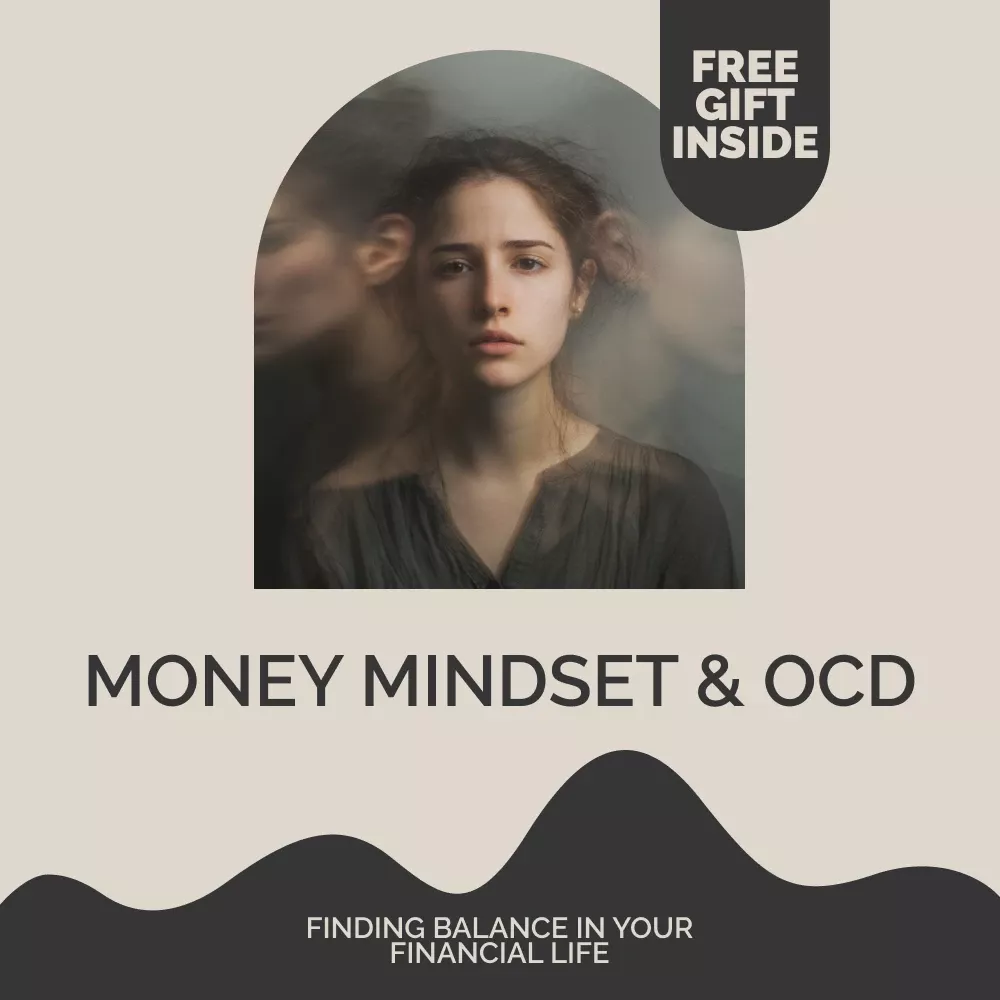
Money Mindset & OCD: Finding Balance in Your Financial Life | Digital Self-Help Guide for Understanding OCD and Money | Build Healthier Financial Habits and Emotional Peace
| Situation | Useful action | Reason to pause |
|---|---|---|
| Paying a bill | Review the amount and payment details before submitting. | You keep reopening the confirmation despite no new information. |
| Reviewing an account | Look for unfamiliar transactions and address any you find. | You refresh the balance until it feels safe. |
| Choosing a purchase | Consider the cost alongside your priorities. | You keep comparing because no option feels risk-free. |
These are examples, not limits on how often you may check. A genuine error, unfamiliar transaction, or urgent need deserves attention. The aim is to act on what matters without treating certainty as a requirement for moving on.
Our Money Mindset & OCD digital self-help guide is for you if you want a starting point for reflecting on OCD and money habits. It cannot diagnose OCD, replace professional care, or promise a particular financial or emotional result.
If you want a separate reflective practice, our weekly gratitude habit guide explores another option. Gratitude is not an OCD treatment or a replacement for addressing financial concerns.
Check the product’s listed specifications when evaluating decide whether our guide fits your next step.
If you want space to reflect on the connection between OCD and money, our Money Mindset & OCD digital self-help guide is an accessible place to begin. It can support reflection on your financial habits, but it cannot diagnose OCD, replace treatment, or guarantee emotional or financial results.
Progress doesn’t have to mean feeling certain about every money decision. It may mean paying attention to a real task, taking a useful next step, and treating yourself with patience afterward. If you’d also like a separate resource for a reflective routine, our weekly gratitude habit guide explores that practice. Gratitude is not a treatment for OCD or a replacement for dealing with financial concerns; it’s simply another option for personal reflection.
Watch · product page video
“Finally, a guide that understands the struggle of OCD and finances. It’s helped me find balance in my financial life.”
Guilleni product page · Product review
Yes. OCD can center on money-related fears and involve repetitive checking or reassurance-seeking. Not every financial worry is OCD; a qualified professional can assess persistent, distressing symptoms.
There is no single hardest OCD theme. Severity depends on distress and interference with daily life, not whether the concern is money or another subject. Effective treatment is available.
Generosity varies from person to person; an OCPD diagnosis does not determine whether someone is generous. OCPD is also distinct from OCD.




Leave a comment