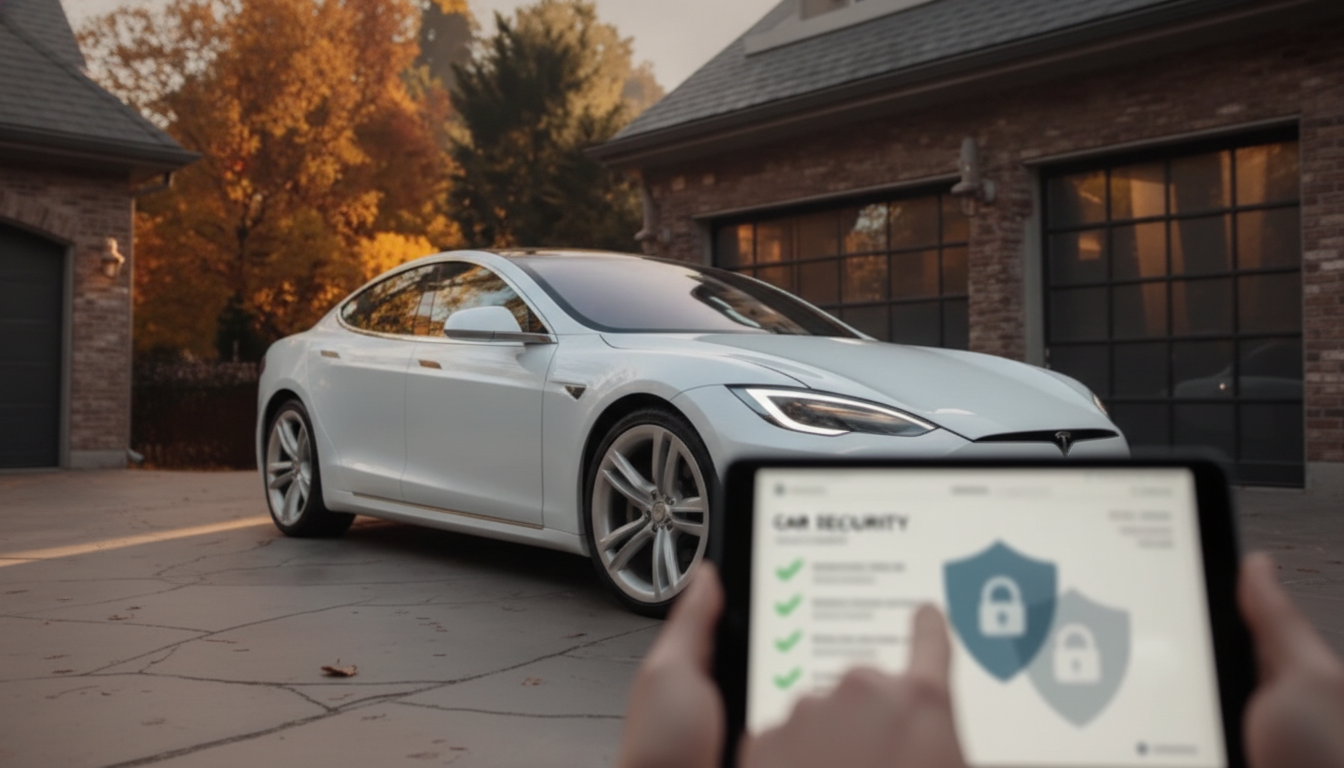
Modern cars are easier to access than ever—sometimes for owners and thieves alike. Keyless entry, phone-based keys, and connected features add convenience, but they also create new habits and weak points that are easy to overlook. This guide organizes the most effective, low-friction steps into a simple checklist approach: what to do every day, what to adjust in settings, and which physical layers actually deter theft and break-ins.
Convenience features remove “friction”—and that can quietly remove awareness. A door that unlocks at approach can also end up unlocked longer than intended. A fob left on a hook near the front door can be close enough to a window for its signal to be exploited. Add a visible bag on the back seat, and a thief doesn’t need much time or motivation.
At a high level, the most common keyless-related threats include relay-style signal extension (where a signal is effectively “carried” from your key to your vehicle), key cloning/programmable key attacks, and vehicle network attacks that leverage exposed ports or compromised devices. You don’t need to memorize the technical details to reduce risk; most defenses are about limiting signal exposure, tightening digital access, and adding time/noise to any attack.
It also helps to separate two scenarios: break-ins vs. drive-away theft. Break-ins often hinge on opportunity and visibility (valuables, poor lighting, easy access). Drive-away theft is more about immobilization and key access. The best approach is layered protection—make the car harder to enter, harder to start, and riskier to approach.
If you do nothing else today, do this short reset. It closes the most common “low effort” gaps without turning your routine into a project.
The best fob defenses are simple: control the signal, control where the key lives, and reduce the number of “digital doors” into your vehicle.
Store the fob in a signal-blocking pouch/box and verify it works. The easiest test: put the fob inside, seal it, then stand next to the car and try to unlock (and, if appropriate, try to start). If the car still responds, the pouch/box isn’t blocking effectively or isn’t closed correctly.
Create a single “key home” spot that’s not near exterior walls or glass. A small routine change—keys live in a back room, not by the door—can reduce exposure every night without any ongoing effort.
| Situation | Do this | Why it helps |
|---|---|---|
| Daily leaving the car | Lock using the fob/button; confirm mirrors/lights or handle check | Prevents accidental unlocks and reduces opportunistic entry |
| At home storage | Keep fob away from exterior walls; use a signal-blocking pouch/box | Reduces relay-style signal extension risk |
| Public parking | Choose high-visibility spots; remove valuables; face the car toward foot traffic | Lowers break-in temptation and increases perceived risk to thieves |
| Overnight / travel | Add a visible steering/pedal lock; enable alerts; verify tracker | Adds time/noise + improves recovery odds |
| Monthly | Review key/app access; update passwords; enable MFA where available | Cuts account-based or shared-access vulnerabilities |
If you want a ready-to-use version you can print for home and keep phone-friendly for travel, use Lock Smarter Not Harder | Car Theft Prevention Guide, Keyless Entry Security Checklist, Vehicle Safety Digital Download.
Longer trips often mean more quick stops and more time parked away from home. If you’re also trying to stay comfortable without running costs up, Cool Without the Cost: Your Smart Guide to Saving on Air Conditioning is a lightweight companion for planning efficient cooling habits while you’re on the road.
For broader guidance and reporting trends, review these authoritative resources: National Insurance Crime Bureau (NICB) — Vehicle Theft Prevention, NHTSA — Preventing Motor Vehicle Theft, and FBI — Crime Data (UCR/NIBRS) overview.
Many do, but effectiveness varies by product and how fully it seals. Test yours by trying to unlock (and start, if appropriate) while the fob is fully enclosed, and store the pouch/box away from doors and windows.
Reduce fob signal exposure by storing keys securely away from entry points and disabling passive entry when possible. For overnight parking, adding one visible physical deterrent can further reduce drive-away theft risk.
Turning it off reduces convenience but can lower risk, especially overnight or in higher-theft areas. A balanced setup is press-to-unlock with auto-lock enabled so the car doesn’t stay unintentionally accessible.






Leave a comment