25% off on product page · save $3.66
Does Yoga Actually Relieve Stress? A Beginner’s Guide
Yes, yoga can help relieve stress by combining physical movement, breathing, and attention to the present moment, which can make it easier to release tension and settle a busy mind. You do not need to be flexible or experienced to start; a gentle practice that feels comfortable can be a useful part of your self-care routine.
Yoga is not a guarantee that stress will disappear, and it does not replace support for ongoing mental health concerns. Think of it as one practical tool you can use alongside rest, social connection, and other strategies that help you feel more grounded.
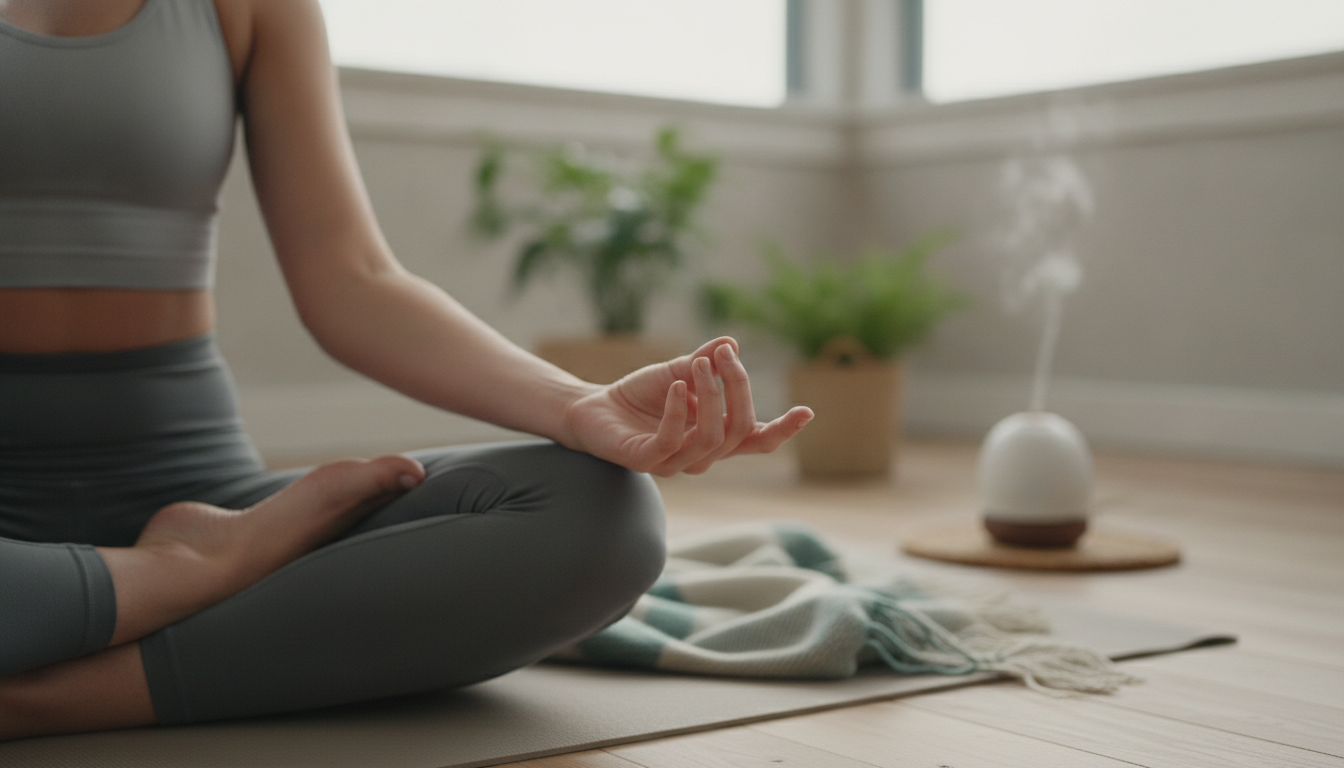
Start with a few minutes in a comfortable seated position, breathing naturally as you notice where you feel tension, then try gentle movements such as shoulder rolls or a seated forward fold. Move slowly enough to keep your breath comfortable, and pause or change position if a movement causes pain.
On a busy day, a short session can offer a chance to step away from your screen and check in with yourself, while a longer practice may fit better when you have more time. Consistency matters more than making every session elaborate, so choose a routine you can realistically return to.
Featured in this guide
Yoga for Stress Relief | Calming Yoga Guide for Beginners | Digital Download for Relaxation & Mindfulness
Gentle or restorative yoga may be a good starting point if you want a slower pace, while a more active style may appeal to you if movement helps you unwind. The best choice is one that feels manageable for your body and leaves you comfortable enough to practice again.
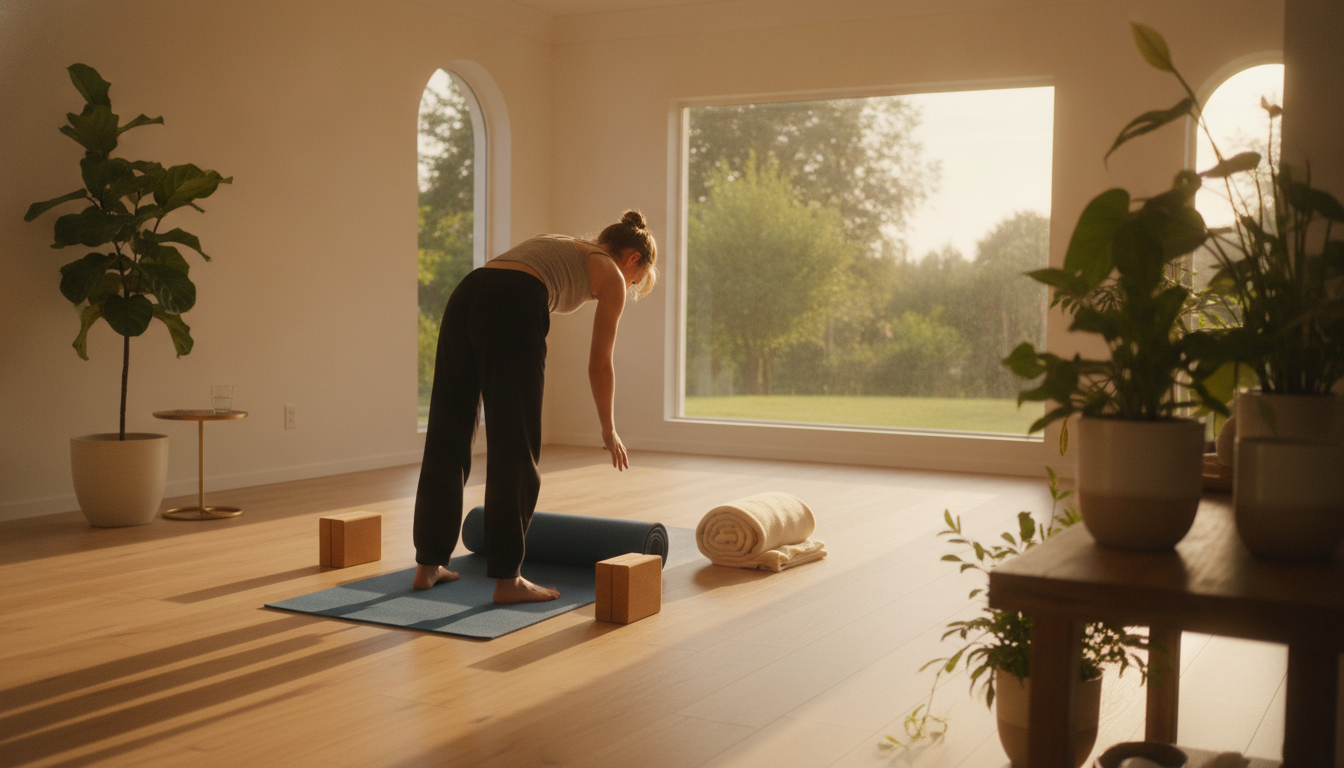
You can use a mat for cushioning and a folded blanket or pillow for support, but you do not need a complicated setup to begin. Our Yoga for Stress Relief guide is a digital download for beginners interested in relaxation and mindfulness.
Give yourself room to move, avoid forcing a stretch, and adjust poses to suit your range of motion rather than trying to match someone else’s position. If you have an injury, are pregnant, or have a medical condition that affects movement, ask a qualified healthcare professional what is appropriate for you.
Our team encourages you to notice how you feel during and after practice, including whether a particular pose feels calming or uncomfortable. If stress is persistent or interferes with daily life, consider reaching out to a mental health professional for additional support.
Check the product’s listed specifications when evaluating how should you practice safely.
Research supports yoga as a way to reduce stress for many people, particularly when it combines movement, breathing, and mindful attention. Results vary, so it helps to choose a practice you enjoy and use it alongside other forms of support when needed.



Leave a comment