
How Shift Workers Can Get Enough Sleep
Shift workers get enough sleep by treating sleep as a scheduled part of the day, even when that day starts after a night shift. Aim to give yourself enough time in bed for the sleep you need, allowing extra time to wind down and fall asleep. If your shifts rotate, keep your sleep and wake times as consistent as your schedule allows rather than changing them dramatically on every day off.
Check the product’s listed specifications when evaluating protect a consistent sleep window.
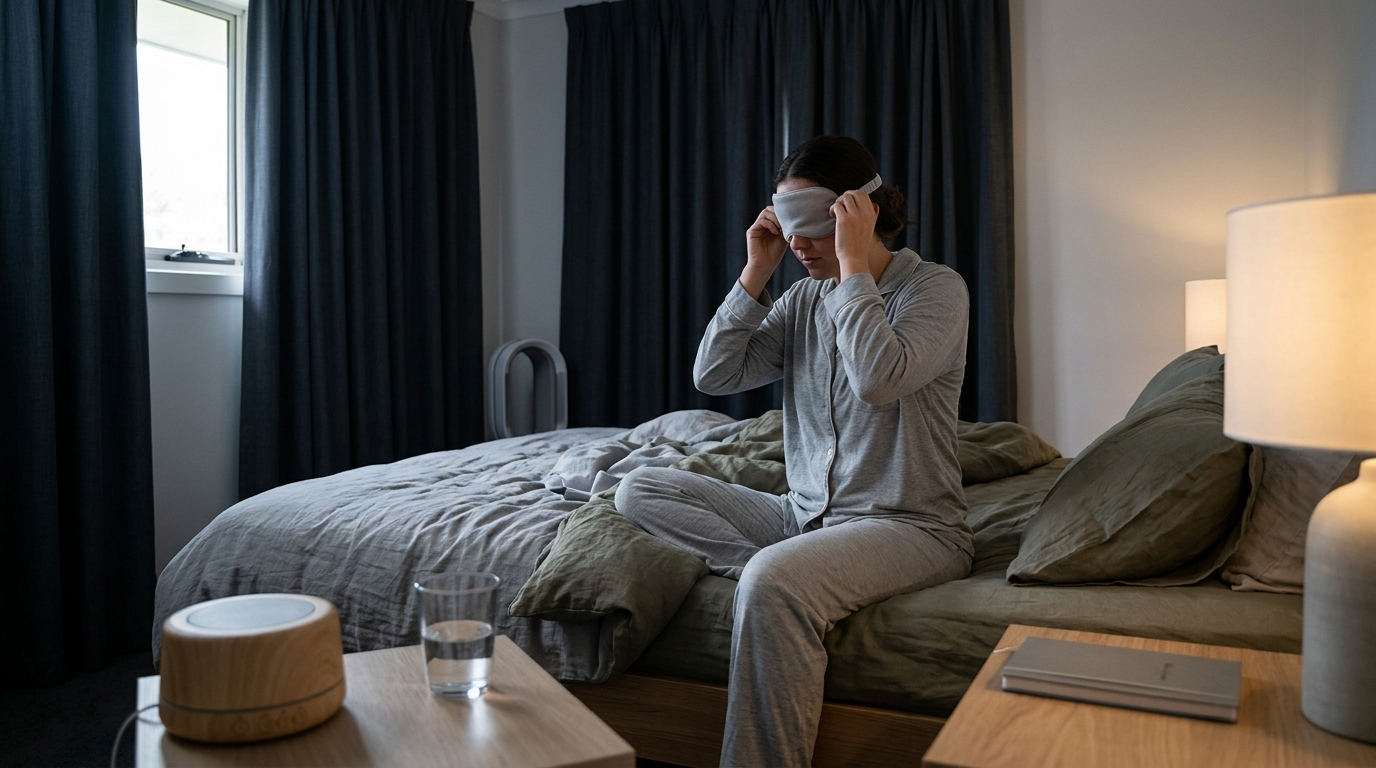
After an overnight shift, keep the trip home and your bedtime routine simple so errands and screens do not steadily push sleep later. A dark, cool, quiet room can help: try blackout curtains or an eye mask, silence notifications, and ask people at home to protect your sleep hours. If noise is unavoidable, earplugs or steady background sound may be more practical than trying to make the whole household silent.
Featured in this guide
Shift Worker’s Ultimate Sleep Hygiene Checklist | Printable Digital Download for Better Rest, Energy & Focus | Sleep Hygiene for Shift Workers
Bright light during the part of your shift when you need to be alert can help you feel more awake, while limiting bright light as you prepare for bed may make it easier to settle down. Have caffeine early enough that it is not still affecting you at bedtime; the right cutoff depends on your shift and how sensitive you are to it. A short nap before work can also help when your main sleep period was cut short, but it should support—not replace—regular sleep.
Our advice is to start with a few steps you can actually maintain: set a sleep window, prepare your room, and plan when you will stop caffeine. Our Shift Worker’s Ultimate Sleep Hygiene Checklist is a printable digital download you can use to organize that routine alongside the guidance in our shift-work sleep guide. If you regularly cannot sleep despite making time for it, or you are dangerously sleepy at work or while driving, talk with a healthcare professional; if you are too sleepy to drive safely, arrange another way home.
Start by reserving enough time for sleep after each shift and making your bedroom dark, quiet, and comfortable. Then adjust light exposure, caffeine timing, and pre-shift naps around your actual work hours rather than following a daytime worker’s routine.




Leave a comment