A calm cooking routine doesn’t require elaborate recipes or a fully stocked pantry. It requires a small set of repeatable decisions: what to keep on hand, how to plan without overplanning, and how to cook in short, predictable blocks of time. The goal is a practical daily rhythm—so meals feel manageable on busy weekdays, leftovers become a feature (not a failure), and the kitchen stays easier to reset.
Thank you for reading this post, don't forget to subscribe!
🔥 Don’t miss this:
Get our Best-Selling Digital Bundle here 👉 https://guilleni.com
✔ Instant Download
✔ High Value
✔ Limited Time Offer
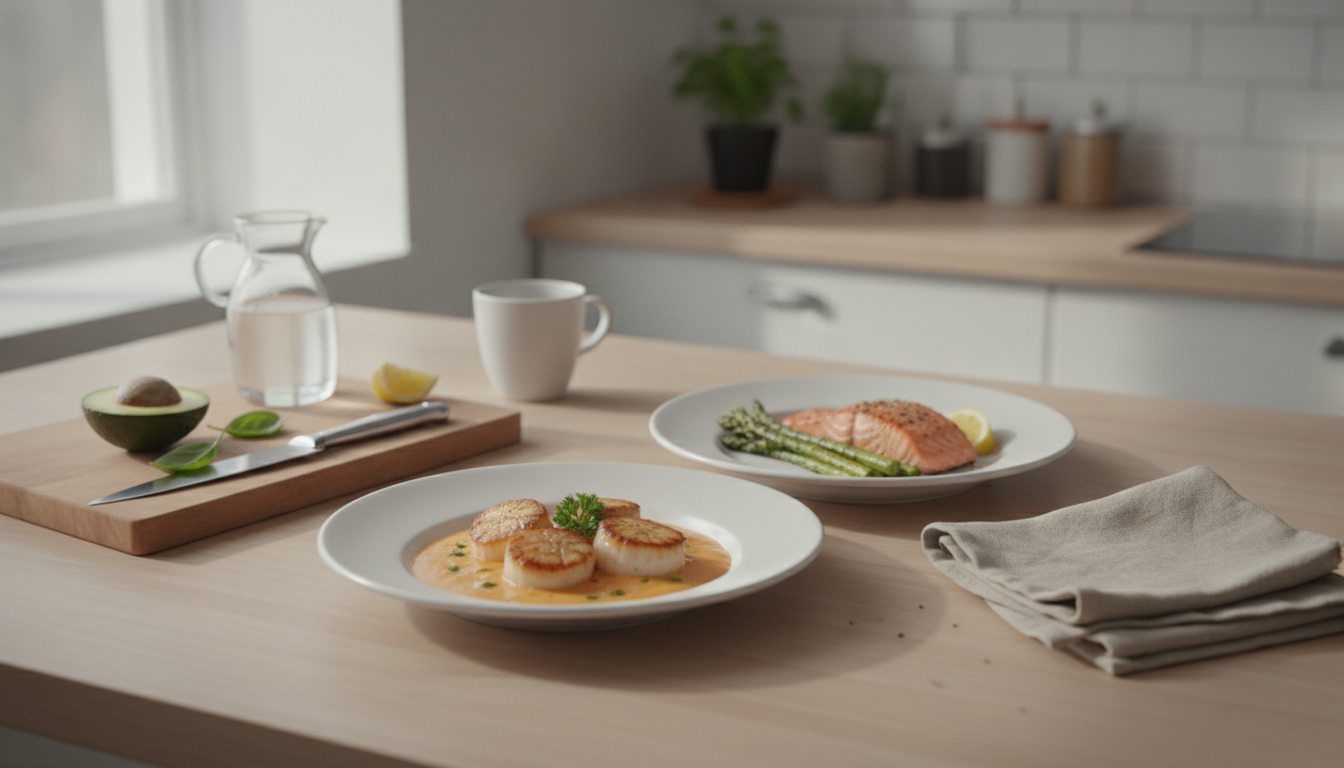
Minimalist cooking is less about eating “perfectly” and more about removing friction. Instead of reinventing dinner every night, you rotate a few dependable meal types built from interchangeable building blocks: protein + vegetable + starch + sauce. That structure keeps shopping and prep simple while still leaving room for variety.
Most days, the most helpful simplification is standardizing breakfast and lunch. When those meals are predictable (oats, yogurt, eggs, leftovers, a simple sandwich), dinner becomes the only flexible piece—and even dinner can run on templates like sheet-pan, bowl, or one-pot meals. Leftovers aren’t a sign you “failed to cook”; they’re planned components for tomorrow’s lunch, a wrap filling, a soup starter, or a quick fried rice.
Minimalist cooking works best with a stable baseline of ingredients you actually use. Think of it as a small inventory that covers the majority of your meals, plus a few “flavor anchors” that prevent boredom without adding complexity.
| Category | Keep on hand | Fast uses (10–20 minutes) |
|---|---|---|
| Carbs | Rice, pasta, tortillas | Bowls, quick stir-fry, wraps |
| Proteins | Eggs, beans, tofu or chicken | Scramble, bean tacos, sheet-pan bake |
| Vegetables | Frozen mixed veg, cabbage/kale | Sauté base, roasted tray, soup add-in |
| Flavor | Soy sauce, salsa, pesto, vinegar | Instant sauces, marinades, dressings |
| Emergency meal | Canned soup or broth + noodles | One-pot comfort meal |
Keep pantry essentials like rice or pasta, canned beans, canned tomatoes, broth, oats, tortillas, olive oil, vinegar, salt, pepper, garlic/onion powder, and one all-purpose seasoning blend. In the fridge, prioritize flexible basics: eggs, yogurt (or a simple dairy alternative), a sturdy green like cabbage or kale, lemons or bottled citrus, and an optional versatile cheese.
In the freezer, stock frozen mixed vegetables, frozen spinach, frozen berries, and one or two proteins (chicken, tofu, shrimp, or ground turkey). Then add a few “flavor anchors” such as soy sauce/tamari, mustard, hot sauce, pesto or salsa, and one jarred curry paste or seasoning sauce.
One stabilizing rule: add new items only when they replace something that’s finishing. This keeps the inventory predictable, easier to shop for, and less likely to become clutter.
Instead of a long prep day, minimalist cooking uses small, reliable time blocks that reduce last-minute decisions.
Choose one template based on your time and energy: sheet-pan, bowl, or one-pot. Then glance at what you already have (especially what needs to be used soon). If time is low, choose “no-cook + heat” (bagged greens + microwaved grain + a ready protein). If energy is low, choose one-pot.
Pick just one: move protein to thaw, start rice in a cooker, wash/chop one vegetable, or stir together a quick sauce (yogurt + lemon + salt; soy sauce + vinegar + a little sugar; pesto thinned with olive oil). This is the difference between “I can’t cook” and “dinner is basically done.”
Use one primary method and keep tools minimal: one pan, one pot, one cutting board. While dinner finishes, rinse the knife and board, and pack tomorrow’s lunch from what you just made. The routine ends with a quick reset: clear the sink, wipe the counter, and set out tomorrow’s breakfast or a lunch container.
If nutrition balance is part of your goal, simple plate frameworks can help without adding rules. For practical guidance, see USDA MyPlate and the Harvard Healthy Eating Plate.
If the hardest part is deciding what to do when you’re tired, a structured routine can make the process automatic: decide (template), prep (one small action), cook (one method), then reset (three minutes). For a ready-to-use framework designed around flexible templates and leftover-friendly planning, see Simple Plates: The Minimalist Cooking Daily Routine Guide for Stress-Free Meals.
Habits outside the kitchen can support consistency inside it. If a weekly reset and reflection helps you stay steady with routines, How to Build a Weekly Gratitude Habit That Transforms Your Life pairs well with a simple meal rhythm.
Plan 3 dinners, keep 2 flexible backups, and add 1 “use-it-up” meal. Planning fewer dinners reduces decision fatigue and makes it easier to use what you already have before it goes bad.
Rely on batch bases (grains, roasted vegetables), cook-once-eat-twice dinners, and an “emergency meal” shelf. On busy nights, default to sheet-pan meals, one-pot meals, or “no-cook + heat” assemblies.
Rotate sauces, seasonings, and toppings while keeping the same core building blocks. Swapping just one component—like salsa instead of pesto, or beans instead of chicken—creates a different meal without changing your routine.