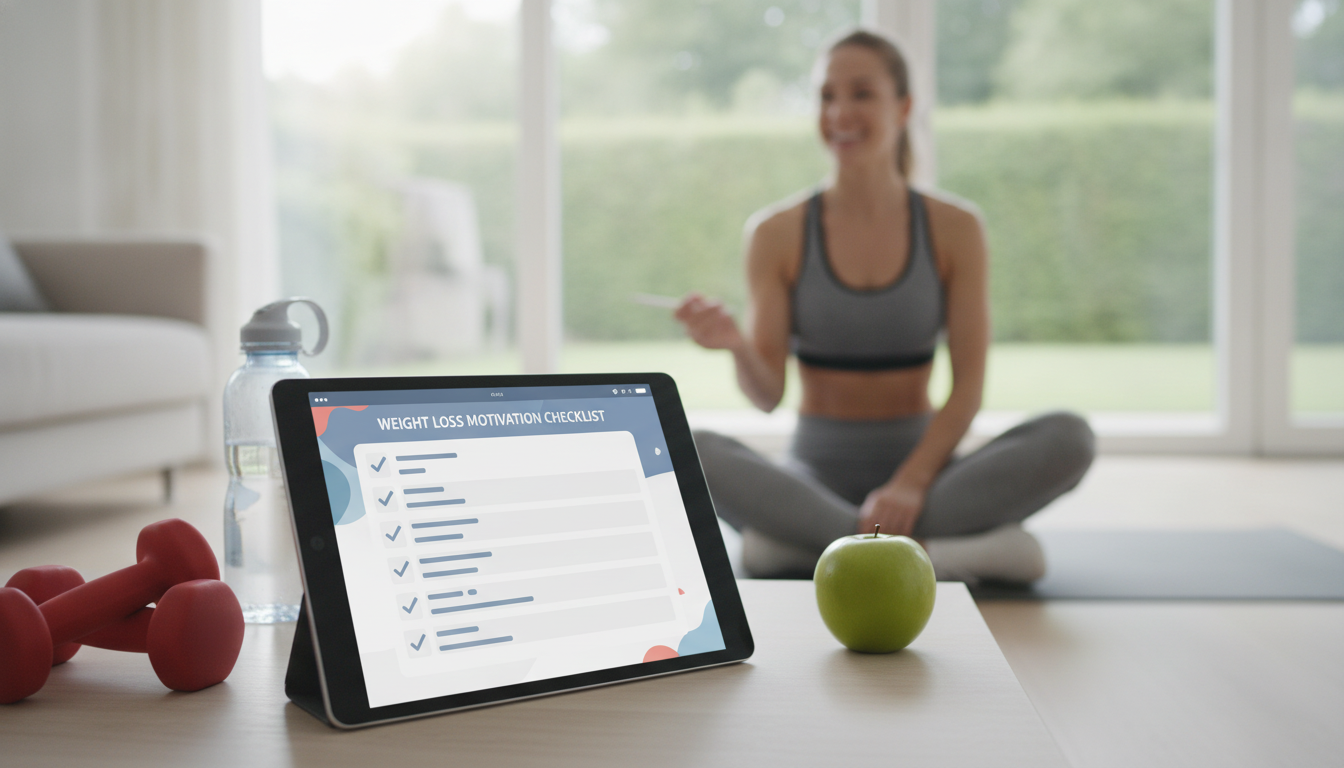
Motivation can feel unpredictable—strong one day and gone the next. A simple checklist turns motivation into a repeatable system: clear triggers, small actions, and quick wins that build consistency. The goal isn’t to “feel motivated” all the time—it’s to make your next healthy choice easier than your next excuse. Below is a practical way to use a digital checklist to stay focused, reduce decision fatigue, and keep momentum even when willpower is low.
Thank you for reading this post, don't forget to subscribe!
🔥 Don’t miss this:
Get our Best-Selling Digital Bundle here 👉 https://guilleni.com
✔ Instant Download
✔ High Value
✔ Limited Time Offer
Motivation is reactive. Stress, poor sleep, and packed schedules can lower follow-through even when your goals matter deeply. When life gets loud, “trying harder” often fails because the problem isn’t caring—it’s capacity.
Another common issue is decision fatigue. The more choices you make all day, the harder healthy choices become at night. A pre-planned checklist reduces the number of decisions required by turning your best intentions into automatic, repeatable steps.
Consistency grows faster when actions are specific and small. “Pack lunch at 9 pm” beats “eat healthier” because it’s clear, time-bound, and easy to complete. And when you can visibly see progress (checkmarks stacking up), confidence rises—making it less likely you’ll quit and “start over from zero.”
Start with two kinds of goals: an outcome goal and a process goal. The outcome is the “why it matters” finish line (a target range, improved labs, or clothing fit). The process goal is what you do daily (steps, protein, workouts, or planned meals). When the scale stalls, the process goal keeps you moving.
Next, define a minimum standard for low-energy days. This is your “bare minimum that still counts,” such as a 10-minute walk, a bottle of water, and a planned breakfast. Minimum standards protect streaks when life gets messy.
Choose one tracking method that feels neutral: simple checkmarks, habit streaks, or weekly averages. The point is to avoid all-or-nothing thinking. Finally, write a short “why list” focused on daily life improvements—more energy, easier stairs, better sleep, stronger joints, steadier mood, and improved health markers. For evidence-based healthy weight guidance, the CDC and NIH offer practical baselines.
Think of this as a “small hinges swing big doors” system. Each item is designed to lower friction and increase follow-through.
| Checklist item | When to do it | Why it helps |
|---|---|---|
| Read “why list” + choose 1 win | Morning | Creates direction before distractions |
| Plan first meal/snack | Morning or night before | Reduces impulsive choices later |
| Schedule movement (time/place) | Morning | Turns intention into an appointment |
| Set up environment (clothes/food) | Night before | Makes the right choice easier |
| 10-minute minimum standard backup | Anytime | Protects streaks on hard days |
| 3-minute reflection + tomorrow plan | Evening | Builds learning instead of guilt |
Use the checklist as a ramp, not a boot camp. The goal is to win small, then stack those wins.
If movement is part of your plan, align it with realistic health guidance. The World Health Organization summarizes recommended physical activity targets and why they matter.
Shift from big goals to a minimum standard you can do on your worst day, then use the checklist to protect your streak. When you slip, apply a reset rule—“next choice, not next week”—and return to the minimum standard for 1–2 days.
Include a quick morning intention, one planned meal anchor, a scheduled movement block with a backup option, a simple environment setup step, and a short evening review. Keep each item clear and yes/no so it’s easy to complete.
Many people notice motivation stabilizing after 1–2 weeks of daily checkmarks because the routine becomes familiar and easier to repeat. Habits typically feel stronger over 6–8 weeks as actions shift from effortful to automatic.