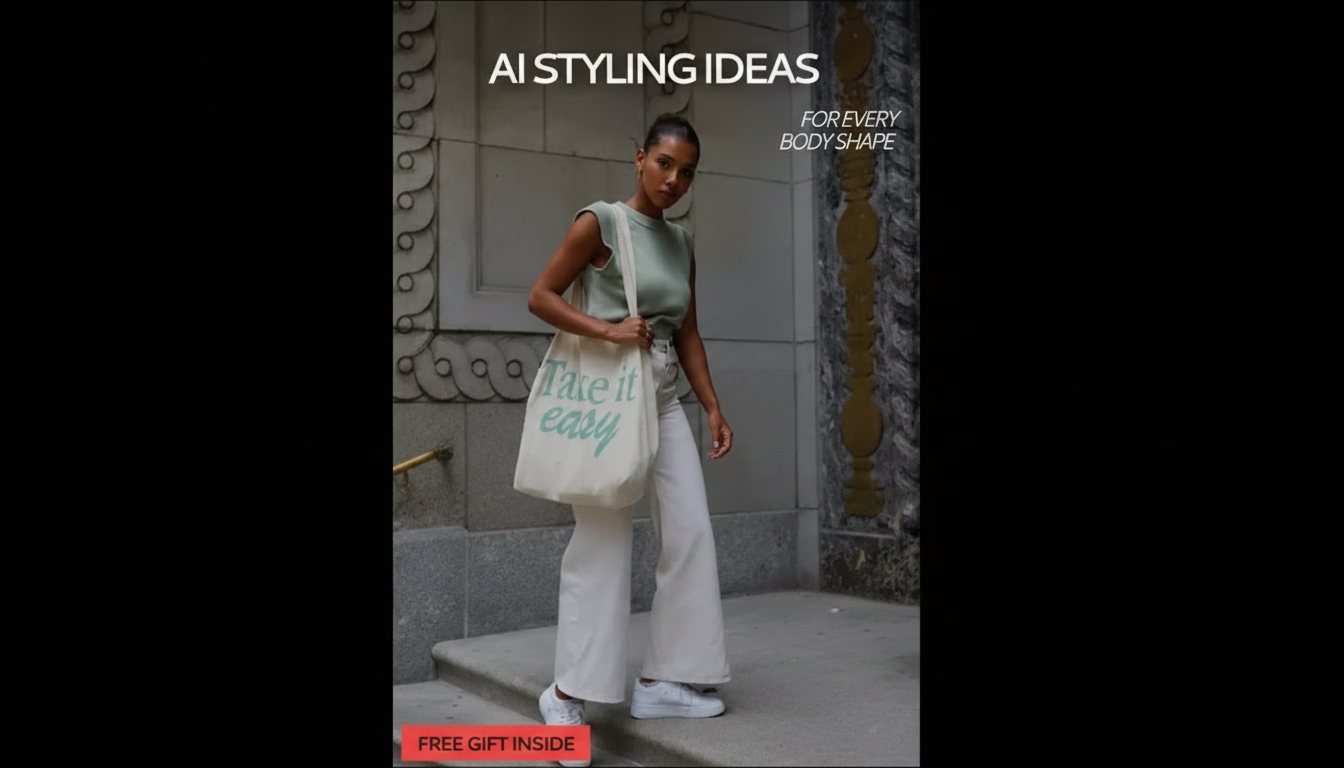
Finding outfits that feel comfortable, flattering, and unmistakably “you” gets easier when style choices are tied to proportion—not trends. A few practical tweaks to neckline, waist placement, layering length, and fabric structure can change how an outfit reads, even when you’re wearing the same closet staples. Pair those principles with AI-assisted planning, and you get faster outfit decisions, fewer “almost right” purchases, and a repeatable way to dress for real life—workdays, weekends, travel, and events. For more guidance, see AI Stylist for Finding Clothes That Match Your Body Type – fAIshion.AI.
Body-shape styling is about proportion. Instead of chasing a specific look, it uses visual balance—lines, volume, and placement—to help outfits feel intentional. Necklines can widen or lengthen the upper body, waist emphasis can create definition where you like it, and hem lengths can shift the focus up or down. For further reading, see Best Body Shape Apps & Body Type Calculators 2026 – Beauty AI.
It doesn’t require changing your size, hiding your body, or following strict rules. Comfort comes first, and personal preference always wins. The real payoff is better shopping decisions: when you understand why something works, it’s easier to repeat the effect with different pieces and avoid impulse buys.
It also plays nicely with other style factors that matter just as much—height, torso length, shoulder width, bust fit, and your overall aesthetic. Fashion is a cultural and creative practice as much as it is a functional one, and it’s worth treating it that way (see Encyclopaedia Britannica’s overview of fashion for the bigger context).
Most people blend more than one shape, but a “closest match” is still useful because it suggests which levers make the biggest difference.
| Body shape | Top ideas | Bottom ideas | Dress/jumpsuit ideas | Finishing touches |
|---|---|---|---|---|
| Hourglass | Wrap, fitted knit, waist-seamed blouse | High-rise straight, pencil, bootcut | Wrap dress, belted jumpsuit | Medium belt, clean neckline, balanced jewelry |
| Pear (triangle) | Boat/V-neck, statement sleeve, lighter colors | Straight or wide-leg, darker wash, minimal pocket bulk | Fit-and-flare, A-line midi | Cropped jacket, attention-up accessories |
| Apple (round) | V-neck, tunic with structure, open cardigan | Straight/bootcut, mid-rise with smoothing front | Empire or faux-wrap, column dress | Long pendant, vertical scarf, structured bag |
| Rectangle (straight) | Peplum, layered tee + blazer, textured top | Tapered, paperbag, wide-leg with defined waist | Shirt dress with belt, slip + layer | Waist emphasis, contrast shoes, mix textures |
| Inverted triangle | Simple crew/V, darker tones, minimal shoulder detail | A-line skirt, wide-leg, cargo/pleat interest | A-line, asymmetric hem | Statement shoes, brighter bottoms, lower-half focus |
The best part of AI-assisted styling is consistency. Once preferences become inputs—color palette, comfort level, modesty needs, climate, dress code—you can reuse the same framework again and again, instead of starting over each time you need an outfit.
Color decisions get easier, too. If you like building outfits around a tight palette—or want guidance on how colors work together—resources like the Pantone Color Institute can help you understand why certain combinations feel modern, soft, bold, or classic.
For a ready-to-use format, the AI Styling Ideas for Every Body Shape – digital download eBook is designed to keep everything in one place: body-shape principles, outfit formulas, and reusable templates.
If staying consistent with personal routines helps you stay consistent with getting dressed, pairing a practical style reset with a simple mindset tool can help. The How to Build a Weekly Gratitude Habit That Transforms Your Life digital guide is a calm, structured option for building a weekly check-in that supports confidence and follow-through.
Yes. Use body shape as a starting point, then adjust with specific levers like waist placement, jacket length, and hem length. Adding height and torso notes to your outfit requests makes the recommendations more precise.
Choose the closest match based on where volume is carried (shoulders vs. hips vs. midsection), then borrow the most helpful tactics from the second-closest shape. The goal is balance and comfort, not a perfect label.
Yes. Start by listing your owned basics and asking for outfit formulas using only those items, then identify one or two gaps that unlock the most new combinations. This approach turns your closet into a system instead of a pile of maybes.





Leave a comment