
15% off on product page · save $1.06
What Is the 3-3-3 Rule for Meal Prep? A Simple Guide
The 3-3-3 rule is a flexible meal-prep framework: choose three proteins, three carbohydrate sources, and three vegetables to mix and match throughout the week. Versions of the rule vary, so treat these categories as a planning shortcut rather than a strict nutritional prescription.
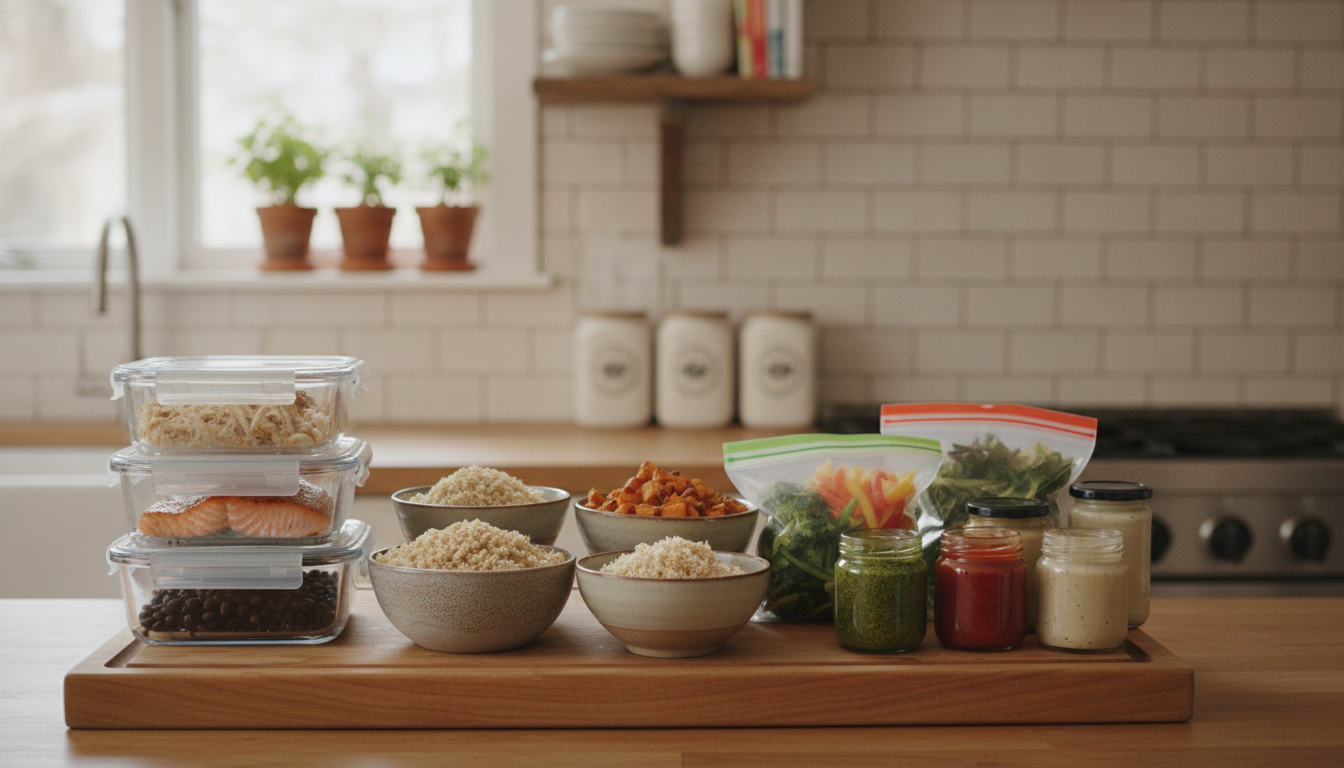
For example, you might select chicken, eggs, and chickpeas for protein; rice, potatoes, and whole-grain pasta for carbohydrates; and broccoli, carrots, and spinach for vegetables. Adjust the choices to your preferences, budget, and dietary needs: tofu can replace chicken, while beans can contribute both protein and carbohydrates.
Check the product’s listed specifications when evaluating how to build your nine ingredients.
Featured in this guide
AI-Powered Meal Prep Checklist | Weekly Planning Made Simple | Digital Download | AI Meal Prep Tips for the Week | Organized Cooking Guide
Cook a few components in batches, then combine them differently: try chicken with rice and broccoli, chickpeas with potatoes and spinach, or pasta with vegetables and an egg. Sauces, herbs, and seasonings can change the flavor without requiring you to prepare nine entirely separate recipes, and you can add fruit, dairy, or other foods to round out meals and snacks.
Check the product’s listed specifications when evaluating turn your choices into meals.
Start by considering how many meals you need, what you already have, and whether you prefer to repeat a favorite combination or assemble something different each day. Our AI-Powered Meal Prep Checklist is a digital download focused on weekly planning and organized cooking that you can consider alongside this approach.
Refrigerate cooked foods promptly in shallow containers, keep your refrigerator at 40°F or below, and generally use refrigerated leftovers within three to four days. If you are preparing meals further ahead, freeze portions you will not use in that window and reheat leftovers to 165°F.
A change of that size in one week can include water weight and is not a realistic or safe fat-loss goal for most people. If you want to lose weight, focus on sustainable eating and activity habits, and speak with a healthcare professional about a plan suited to you.




Leave a comment