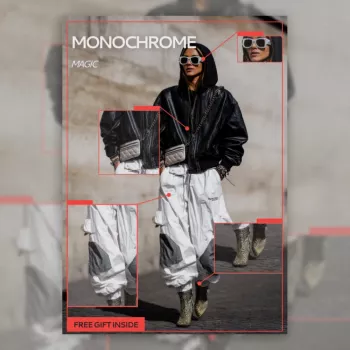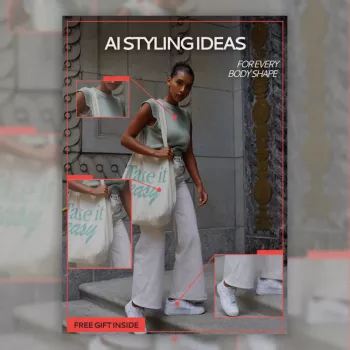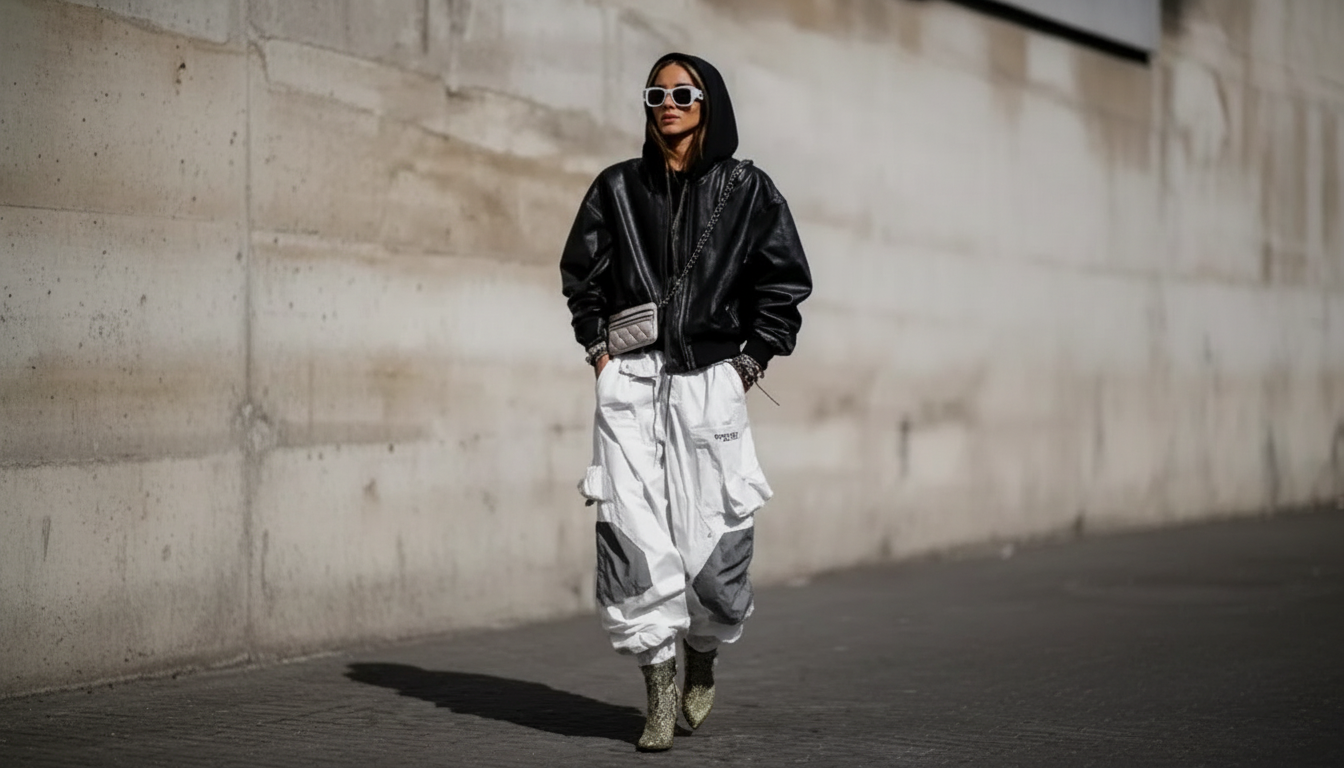
Monochrome dressing makes getting ready faster, outfits look instantly polished, and wardrobes feel lighter without feeling boring. The trick is learning how to stay within one color family while still creating depth through shade, texture, and structure. Below is a practical system for building a wearable monochrome capsule, choosing the right tones, and using a simple AI-friendly checklist to plan outfits and purchases with fewer mistakes.
Thank you for reading this post, don't forget to subscribe!
🔥 Don’t miss this:
Get our Best-Selling Digital Bundle here 👉 https://guilleni.com
✔ Instant Download
✔ High Value
✔ Limited Time Offer
Monochrome means wearing one color family head-to-toe, not necessarily a single identical shade. You can (and should) use light-to-dark variation—think ivory with cream, or graphite with charcoal—to add dimension while keeping the look unified. For a quick reference definition, Encyclopaedia Britannica’s overview of monochrome captures the core idea: one color, many possibilities.
This approach creates the “single-column” effect: a continuous line of color that visually lengthens the silhouette and looks intentional, even with simple pieces. It’s also a reliable fix for decision fatigue—fewer color-matching rules, more repeatable outfit formulas. And it’s not limited to black; monochrome works beautifully in cream, navy, olive, chocolate, gray, and seasonal tones.
Start with a base tone that fits your lifestyle and climate. If you’re commuting or traveling often, deeper shades like black, navy, charcoal, and espresso tend to be more forgiving. If you love a softer look (or live in a warmer climate), cream, taupe, and light gray can feel crisp without being stark.
Next, add two supporting shades in the same family for easy variety. Examples:
Undertones help you refine the range. Cool palettes often pair well with crisp whites, blue-grays, and true black, while warm palettes often pair well with off-white, warm taupe, chocolate, and olive. If you want a more technical color refresh, Pantone’s color education resources are a helpful deep dive.
Plan for real life: include at least one “forgiving” shade for busy days (stain-friendly, easy to re-wear, and not precious). Many people choose the darkest tone in their palette for travel shoes, outerwear, and bags.
When color stays consistent, texture does the heavy lifting. Mixing textures creates contrast without breaking the monochrome story. Try combinations like knit + denim, satin + wool, leather + cotton, or ribbed jersey + tailored suiting.
Structure signals the occasion. Relaxed shapes read casual; tailored pieces read professional; sleek silhouettes read evening. To keep things modern, balance matte and sheen: let one item be the “elevated” texture (a satin skirt, leather jacket, or glossy loafer) and anchor it with matte basics.
Finally, add dimension through scale. Pair fine-gauge tops with heavier outerwear, or chunky knits with streamlined trousers. You’ll still look cohesive, but never flat.
The best monochrome capsule is built around repeatability. Each top should work with multiple bottoms within the same shade family, so outfits come together without a new shopping list.
To keep accessories cohesive, choose one hardware metal (silver or gold) and stick with it. That single decision makes even basic outfits look more “finished.” If you’re also aiming to buy less and wear more, the CFDA’s sustainability resources offer practical context for making wardrobe choices that last.
| Category | Core Pieces | Shade Notes | Outfit Role |
|---|---|---|---|
| Tops | 2–3 tees/tanks, 1 button-up, 1 lightweight knit | Pick 2–3 tones within the same family | Daily base + layering |
| Bottoms | 1 jeans/denim, 1 tailored trouser, 1 skirt or second trouser | Keep bottoms close in depth for easy mixing | Outfit anchor |
| Dress/One-piece | 1 simple dress or jumpsuit | Choose a shade that works day-to-night | Instant outfit |
| Outerwear | 1 jacket, 1 coat (seasonal) | Match the base shade or the darkest tone | Polish + warmth |
| Shoes | 1 sneaker, 1 boot/loafer, 1 dressy option | Same color family; vary finish (matte vs sheen) | Occasion switch |
| Accessories | Belt, bag, minimal jewelry | Consistent metal + neutral leather tone | Finish and structure |
Monochrome Magic – Digital Style Guide eBook, Monochrome Outfit Guide, Capsule Wardrobe & AI Fashion Checklist Download is a digital download designed to help you build monochrome outfits using a capsule approach, plus a practical checklist structure that makes wardrobe planning and shopping decisions faster.
No—tonal dressing can use multiple shades within the same color family. Depth comes from light-to-dark variation, plus texture and structure rather than contrasting colors.
A practical range is about 12–20 core pieces, depending on your lifestyle and laundry cycle. Focus on items that create multiple outfits across work, weekend, and evening, not the biggest possible checklist.
Use AI as a consistency and versatility filter—fit needs, fabric preferences, and outfit count—so purchases align with your capsule. Personal style still shows through silhouette, texture choices, and accessories.