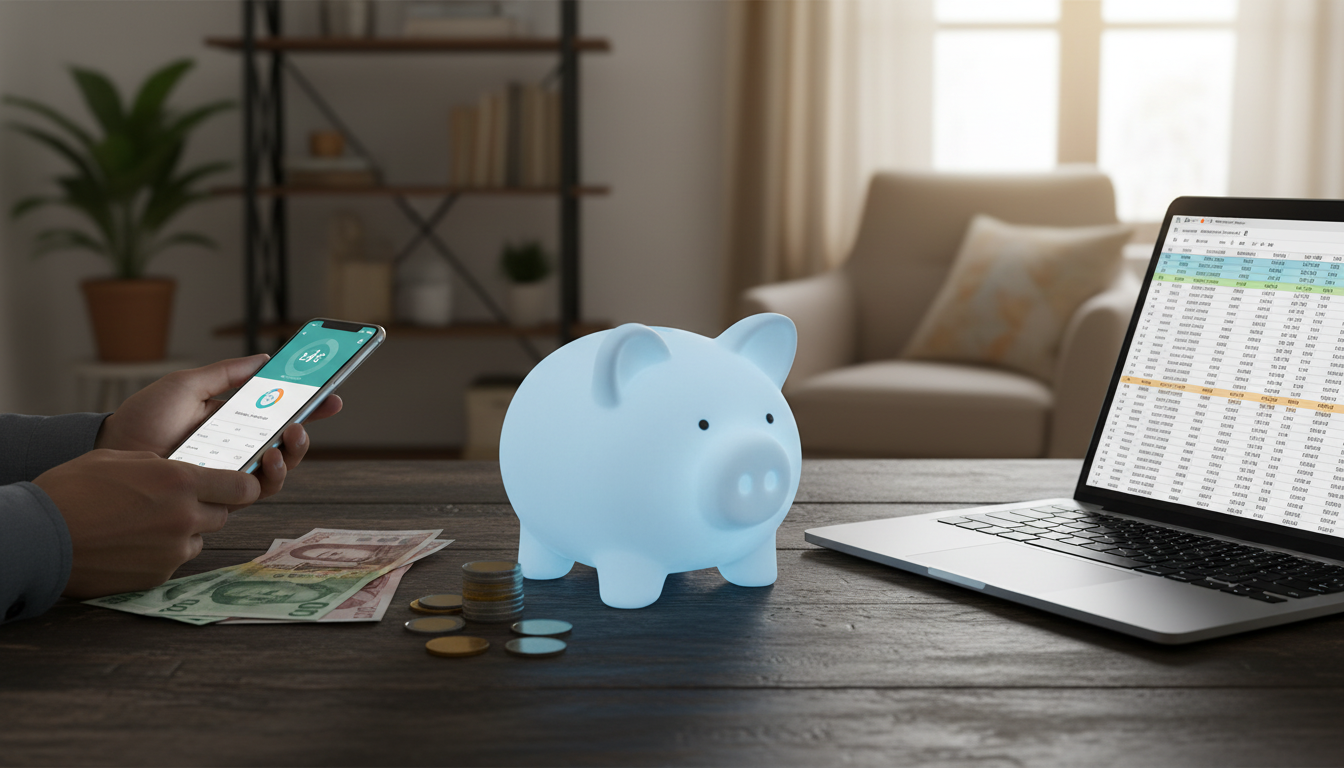
A workable budget doesn’t need complex spreadsheets or hours of tracking. A better approach is a short, repeatable routine that fits real schedules—something you can keep doing even when work is hectic, kids are sick, or life is just noisy. Below is a beginner-friendly system built around quick check-ins, a few automations, and a simple checklist so money decisions feel more automatic and less stressful.
Thank you for reading this post, don't forget to subscribe!
🔥 Don’t miss this:
Get our Best-Selling Digital Bundle here 👉 https://guilleni.com
✔ Instant Download
✔ High Value
✔ Limited Time Offer
Before picking a “method,” get clarity. A short snapshot makes the rest of budgeting dramatically easier because you’re working with real numbers (and real due dates).
If you want a simple place to keep all of this visible, a checklist-style planner can reduce mental load and keep your numbers in one spot. The Budget & Save Like a Boss planner and checklist is built around that “quick snapshot + weekly reset” style.
The best budget is the one you’ll actually use. Pick a style based on how much time and attention you can realistically give it each week.
| If you… | Try… | Why it works |
|---|---|---|
| Want the simplest routine | Pay-yourself-first | Automations reduce decision fatigue |
| Need tight control to stop overspending | Zero-based | Every dollar is assigned before it’s spent |
| Want a flexible framework | 50/30/20-style | Good starting point; easy to adjust |
| Struggle with specific categories | Category caps/envelopes | Creates guardrails where it matters most |
Budgets usually fail because they ask for daily attention. A checklist flips that: set up guardrails once, then do a quick weekly check-in.
| Step | What to do | Time |
|---|---|---|
| 1. Check balances | Look at checking, credit card, and main savings | 2 min |
| 2. Scan upcoming bills | Verify due dates for the next 7 days | 2 min |
| 3. Confirm category limits | See what’s left for groceries/fuel/fun | 3 min |
| 4. Move money | Top up bills account or savings as needed | 2 min |
| 5. One small fix | Cancel a subscription, renegotiate a bill, or plan a no-spend day | 1 min |
Savings gets easier when you stop treating predictable costs like “surprises.” Build two layers: a starter emergency fund, plus sinking funds for known upcoming expenses.
| Sinking fund | Examples | How to set it |
|---|---|---|
| Car | Tires, maintenance, registration | Estimate yearly total ÷ 12 |
| Home | Appliances, small repairs | Start with a small monthly amount, increase over time |
| Health | Copays, prescriptions | Base on last year’s average |
| Gifts & holidays | Birthdays, travel, celebrations | Set a yearly cap and fund monthly |
For credit and score basics, the FTC’s guide is a helpful reference: How to monitor and improve your credit.
One overlooked “leak” is utilities. If summer cooling costs spike, Cool Without the Cost: saving on air conditioning costs offers practical ways to lower bills without sacrificing comfort. For additional DIY ideas, the U.S. Department of Energy has solid tips: Energy Saver.
For additional budgeting tools and basics, the CFPB’s resources are a trustworthy starting point: CFPB budgeting resources.
| Item | Details |
|---|---|
| Product | Budget & Save Like a Boss | Simple Checklist for Beginners & Busy Adults | Smart Money Planner for How to Budget and Save Money |
| Price | $5.99 USD |
| Format | Planner/checklist tool (see product page for delivery details) |
| Best for | Busy schedules, beginner-friendly budgeting, habit-based saving |
Start small and consistent—try 1% of income or $10–$25 per paycheck—then increase once bills are stable or a debt is paid off. Automating the transfer helps the habit stick, and a starter emergency fund creates breathing room.
Pay-yourself-first or a simple three-bucket setup (Bills, Future You, Life) keeps the routine light. Add category caps only where overspending tends to happen, and rely on a weekly 10-minute check-in instead of daily tracking.
Build a baseline budget around your lowest expected month and prioritize essentials first. When income is higher, fund upcoming months and sinking funds before increasing flexible spending, and work toward a small buffer so uneven paychecks feel less disruptive.